Joy Does Not Need a Reason
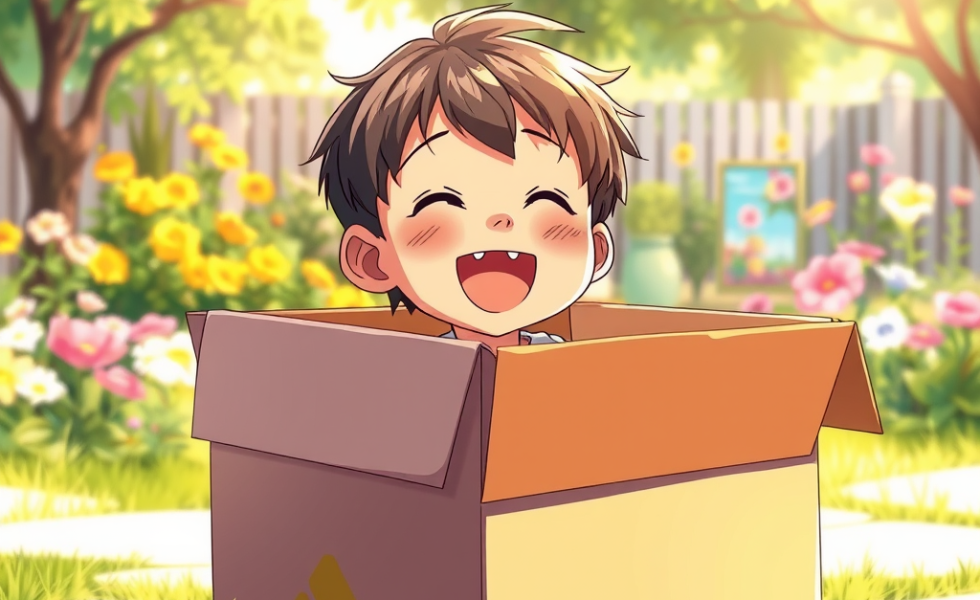
Somewhere along the winding road from childhood to adulthood, many of us start believing that joy must be justified. We treat it like a reward. We earn it after finishing our work, solving our problems, or reaching some milestone. These achievements prove we deserve to feel good. But children know something we often forget. These small sages see the world with uncluttered eyes. Joy doesn’t need a reason.
Kids don’t wait for permission to be delighted. They don’t check their calendars before laughing. They don’t ask whether the moment is “appropriate” for happiness. They simply meet life as it comes, and when joy shows up, they welcome it without hesitation.
Adults, on the other hand, negotiate with joy.
- “I’ll relax once things settle down.”
- “I’ll celebrate when I finally get ahead.”
- “I’ll enjoy myself after I fix everything that’s wrong.
But life rarely hands us perfectly polished moments. If we wait for ideal circumstances, we end up postponing joy indefinitely.
Children remind us that joy is often hiding in plain sight. A cardboard box becomes a spaceship. A backyard becomes a kingdom. A walk to the mailbox becomes an adventure. Their joy isn’t tied to luxury or achievement — it’s tied to presence.
Adults often overlook these small wonders because we’re preoccupied with what’s next. We scroll, we rush, we multitask. We forget that the ordinary moments we hurry past are the very moments kids savor.
What if joy isn’t something we chase, but something we notice?
Choosing joy—especially in a world that feels heavy—is not naive. It’s brave. It’s a declaration that circumstances don’t get the final say in shaping our spirit.
Kids don’t deny reality. They simply refuse to let difficulty eclipse delight. A child can scrape a knee, cry for a moment, and then be laughing again five minutes later. Their resilience isn’t rooted in denial; it’s rooted in the ability to return to joy quickly.
Adults often carry emotional weight far longer than necessary. We replay conversations, rehearse worries, and cling to stress as if it proves our seriousness. But what if joy is not a distraction from life’s challenges, but a source of strength to face them?
Maybe the invitation is not to become childish, but childlike — to rediscover the freedom we once carried so naturally.
- To laugh without overthinking.
- To pause long enough to notice beauty.
- To let ourselves be delighted for no reason at all.
- To remember that joy is not something we earn — it’s something we allow.
When we stop demanding a reason for joy, we start to experience life with a fuller heart. We become more available, more grateful, more alive.
And, in doing so, we discover that joy was never waiting on us to achieve more. It was simply waiting on us to pay attention.


 Bob Lankford